How High-Pressure Misting Systems Control Dust in Mines

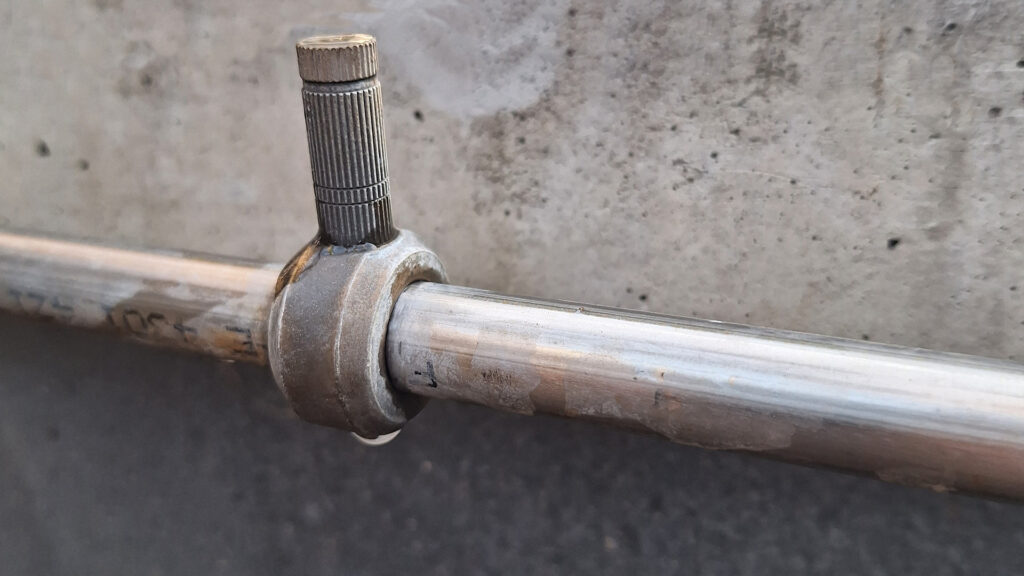
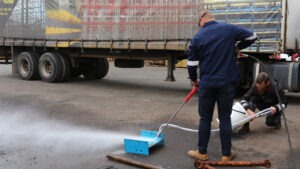
An example of a high-pressure misting system.

Coal is the second most used energy source worldwide and accounts for roughly 25% of the world’s energy supply. This widespread reliance on coal, however, has a negative impact on worker health – especially in mining environments where airborne coal dust can cause serious respiratory diseases. To combat this, modern mining organisations utilise misting systems for dust suppression.

Table of Contents

What are High-Pressure Misting Systems?

Misting systems consist of high-pressure pumps, tubing, and strategically placed nozzles that spray a fine mist into the air. In most applications atomised nozzles are used, which breaks the water into very fine particles that evaporate instantly when it comes into contact with warm air. These systems are commonly used for cooling outdoor spaces, regulating humidity in greenhouses, and sanitising chicken coops. In mining, however, misting systems have a different job – suppressing dust particles to prevent respiratory diseases in employees.

How Misting Systems are Adapted to Supress Dust in Mines

There are two key features that set mining misting systems apart from other applications: the nozzle and the pump.

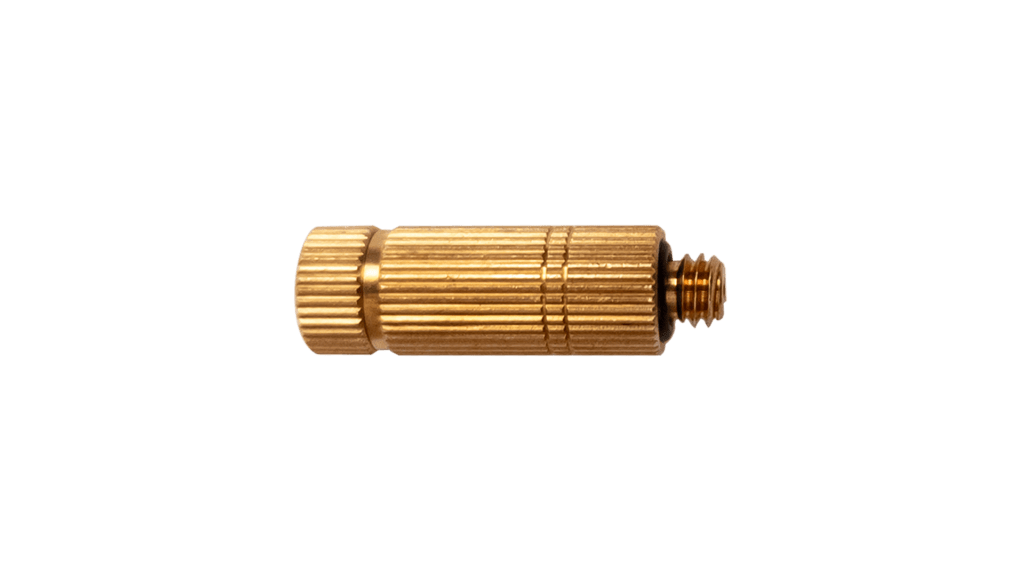
Unlike standard atomised nozzles, nozzles designed for dust suppression allow for the release of larger droplets. This is important as the droplets need to be large enough to collide with the dust particles and supress them. These droplets also need to wet the ground in order to prevent further dust from being stirred up.

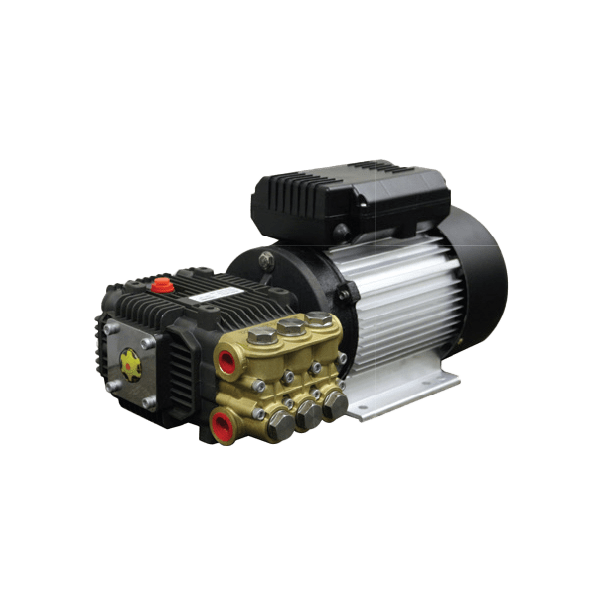
As for the pump, misting systems in mines typically use a high-pressure high-flow pump. This pump will use the pressure to push the water, but will rely on the flow to direct the water through the system towards the nozzles.

Benefits of Using Misting Systems for Dust Suppression

There are various benefits of using misting systems for dust suppression in mines:

Improved Air Quality and Worker Safety in the Mining Industry

Coal dust in enclosed spaces like mines can pose serious risks to worker health, with prolonged exposure leading to serious respiratory diseases. By utilising high-pressure misting systems to supress this coal dust, mines can actively improve their air quality, reducing workers’ exposure to harmful dust particles.

Ensuring Compliance with Environmental and Safety Regulations for Mines

Mines must adhere to strict environmental and occupational safety regulations. These regulations require continuous dust monitoring and comprehensive employee health examinations – including lung function tests and X-rays. Misting systems can help mines stay within the occupational exposure limits by reducing airborne coal dust, making it easier to meet these requirements.

Reducing Equipment Wear and Maintenance Costs with Misting Systems

Dust doesn’t just affect people – it also damages mining equipment. Over time coal dust can accumulate on machines, causing blockages and breakdowns. Mining misting systems can prevent this by reducing dust build-up critical components, decreasing maintenance costs and unexpected downtime.

Increased Operational Efficiency in Mines with Dust Suppression Technology

Some mining activities – such as drilling, blasting, and crushing rocks – can create large clouds of dust that can take hours to settle. Employees often need to wait for this dust to clear before they can continue working. Fortunately, mining misting systems can speed up this process by up to 50%.

As coal remains one of the most popular energy sources worldwide, taking steps to keep mine workers safe should always be a priority. High-pressure misting systems are a practical, efficient, and environmentally responsible way to supress airborne coal dust in mines and reduce respiratory diseases in workers.

Interested in installing a high-pressure misting system in your mine? Contact MaPa Cleaning Technologies today!

Would you like more information?

Send us your details and we will contact you

More To Explore

Stocktake Notice
We will be CLOSED from 24 Dec to 2 Jan. Our On Road Technicians will still be available: 083 376 6141 for call outs.